Katja Neumann · 22 October 2026
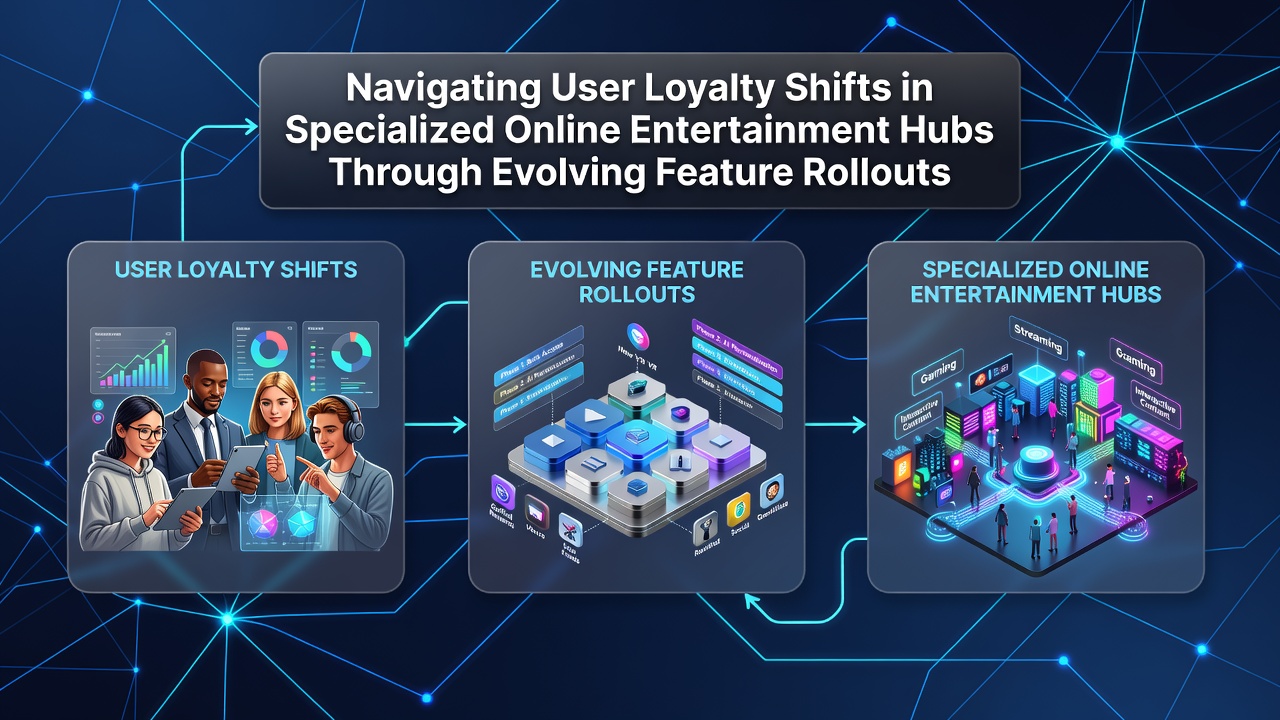
Navigating User Loyalty Shifts in Specialized Online Entertainment Hubs Through Evolving Feature Rollouts
Specialized online entertainment hubs have seen notable changes in user loyalty patterns as platforms introduce new features to match shifting preferences, and observers note that these rollouts often combine personalization tools with community enhancements to maintain engagement across niche audiences. Data from industry analyses shows that users in targeted digital spaces respond to iterative updates by adjusting their participation levels, while regulatory frameworks in various regions provide guidelines that shape how these changes unfold.
Research indicates that loyalty shifts frequently stem from evolving expectations around interactivity and content discovery, so platforms deploy feature sets like adaptive recommendation engines alongside real-time collaboration options to address those demands. According to a report published by the European Commission on digital platform dynamics, user retention in entertainment ecosystems correlates with the pace and relevance of feature introductions, and this pattern holds across multiple markets where specialized hubs operate.
Patterns in User Behavior During Feature Updates
Those who've tracked platform activity report that loyalty metrics fluctuate when new tools appear, because users evaluate whether additions align with their specific interests in areas such as hobby-based communities or curated media libraries. Studies from academic institutions have documented cases where gradual rollouts reduce churn rates compared to abrupt overhauls, and the data reveals that segmented testing helps identify which elements resonate before full deployment.
But here's the thing: platforms that integrate feedback loops into their rollout processes often sustain steadier user bases, whereas those that overlook regional variations encounter steeper drops in participation. Figures from the Australian Communications and Media Authority highlight how entertainment services in the Asia-Pacific region adapted feature strategies in response to user migration data collected through 2025, leading to refined approaches that carried into the following year.
Strategic Implementation of Evolving Features
Feature rollouts in these hubs typically progress through phases that include beta testing, targeted releases, and broader availability, and this sequence allows operators to monitor loyalty indicators at each stage. Experts have observed that incorporating elements such as enhanced search capabilities or cross-device synchronization addresses common pain points, while integration with external data sources provides deeper personalization without compromising platform integrity.
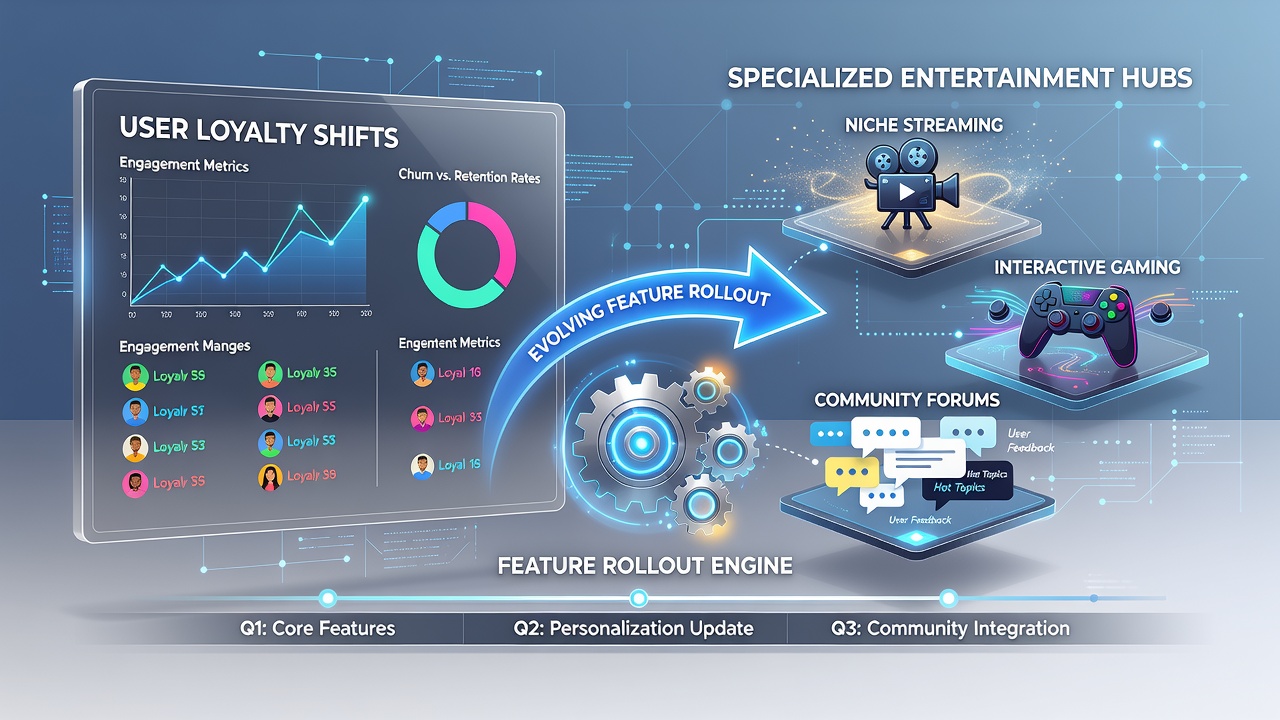
In October 2026, several specialized platforms introduced AI-assisted curation tools that adjusted content suggestions based on session length and interaction history, and reports from the Canadian Radio-television and Telecommunications Commission indicate these updates aligned with broader digital service standards aimed at user protection and transparency. The reality is that such timed releases often coincide with seasonal engagement peaks, allowing hubs to leverage momentum from existing communities.
Regional and Regulatory Influences on Rollout Success
Observers note that regulatory environments across different jurisdictions affect how feature changes land with audiences, since compliance requirements influence the scope and documentation of updates. Data shows that hubs operating in multiple territories coordinate their rollout calendars to account for local guidelines, and this coordination supports consistent loyalty outcomes even when user demographics vary widely.
One study revealed that platforms using phased international launches experienced more stable retention figures than those applying uniform global changes, and the findings underscore the value of localized feature variants. Those who've examined case examples point to successful adaptations where entertainment hubs combined core updates with optional modules, giving users control over their experience depth.
Measuring Impact Through Data and Case Examples
Quantitative assessments of loyalty shifts rely on metrics including repeat visit frequency, session duration, and community contribution rates, and platforms aggregate these figures to evaluate rollout effectiveness. Research indicates that correlation between specific feature types and loyalty metrics becomes clearer when tracked over multiple quarters, allowing for evidence-based refinements in subsequent cycles.
There's this case where experts found that introducing collaborative playlist functions in music-focused hubs led to increased cross-user interactions, and similar patterns emerged in other niche categories when comparable social tools were added. Analysts continue to review these outcomes to identify transferable strategies across the sector.
Conclusion
Specialized online entertainment hubs navigate user loyalty shifts by aligning evolving feature rollouts with documented behavioral patterns and regulatory expectations, and the available evidence points to structured implementation as a consistent factor in sustained engagement. Continued monitoring through established data sources supports ongoing adjustments that reflect changing audience needs across diverse markets.